

Table of Content
- Introduction
- What Is Ginkgo Biloba and Ginkgo Biloba Extract?
- How Does Ginkgo Biloba Work?
- Potential Health Benefits of Ginkgo Biloba
- What Do Clinical Studies Tell Us About Ginkgo Biloba?
- How to Choose a Quality Ginkgo Biloba Extract Supplement
- Ginkgo Biloba: Safety, Side Effects and Precautions
- Conclusion: Ginkgo Biloba Extract, Clinical Evidence and Quality
- Frequently Asked Questions (FAQs) About Ginkgo Biloba Extract
- About Titan Botanics: Ginkgo Biloba Extract Manufacturer and Exporter
- References
Introduction
Ginkgo biloba is one of the world’s oldest surviving tree species and a well-known botanical ingredient in the dietary supplement industry. Traditionally used in herbal medicine, extracts from its leaves are now studied for their potential effects on cognitive function, circulation and certain symptoms associated with neurological conditions.
Growing interest in healthy aging has brought Ginkgo biloba into the spotlight, particularly among consumers looking for nutritional approaches to support memory, concentration and everyday mental performance. Its popularity has also encouraged researchers to investigate its active constituents, biological mechanisms and potential therapeutic applications.
However, the popularity of a botanical ingredient does not automatically establish its effectiveness. Clinical findings vary depending on the extract, dosage, study population and health outcome being investigated.
This article explores the potential health benefits of Ginkgo biloba, reviews findings from published clinical studies and explains what consumers should know about its safety, quality and appropriate use.
What Is Ginkgo Biloba and Ginkgo Biloba Extract?
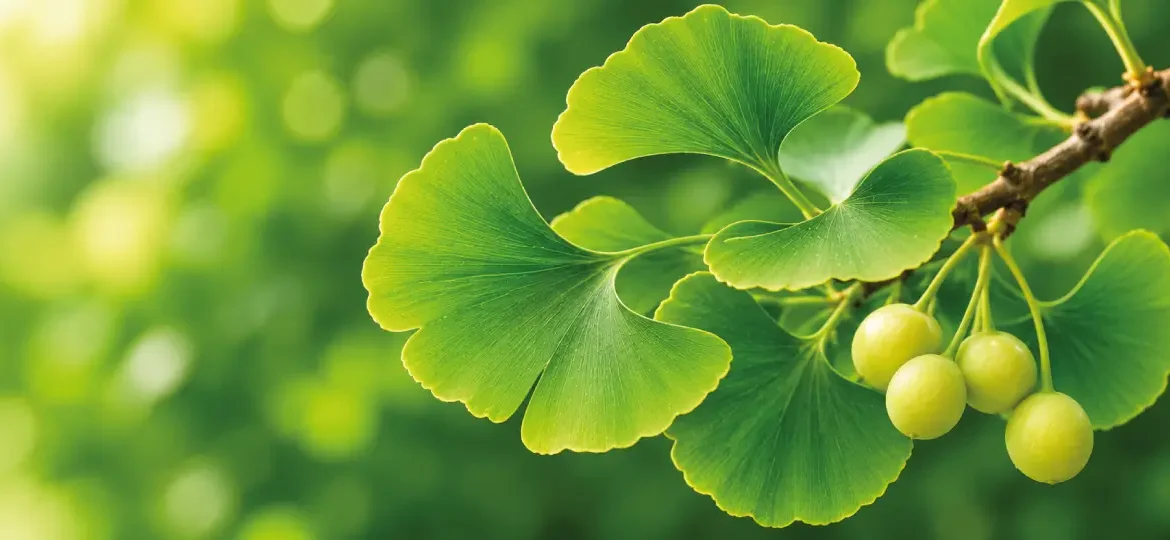
Ginkgo biloba is a deciduous tree native to China and is often described as a living fossil because of its ancient evolutionary lineage. Its leaves have a long history of use in traditional medicine.
Today, Ginkgo biloba leaf extract is commonly used in dietary supplements and herbal preparations. It contains several groups of naturally occurring compounds, including flavonoids and terpene lactones.
Two important groups of constituents are:
- Flavonoids: Plant compounds with antioxidant activity that are studied for their potential role in protecting cells against oxidative stress.
- Terpene lactones: Compounds that include ginkgolides and bilobalide, which have been investigated for their biological effects on cellular and neurological processes.
Standardised extracts are generally designed to provide consistent levels of selected constituents. Their composition can differ from that of raw leaves, teas, powders and other Ginkgo preparations.
This distinction is important because clinical findings obtained using a specific standardised extract cannot automatically be applied to every product labelled Ginkgo biloba.
How Does Ginkgo Biloba Work?
Researchers have investigated several possible mechanisms through which Ginkgo biloba extracts may influence biological processes.
Antioxidant activity
Oxidative stress occurs when the production of reactive molecules exceeds the body’s capacity to manage them. Excessive oxidative stress can contribute to cellular damage and is studied in relation to aging and several chronic conditions.
Flavonoids in Ginkgo biloba exhibit antioxidant activity in laboratory research. However, laboratory findings do not necessarily demonstrate a meaningful health benefit in humans, and antioxidant activity alone is not proof of disease prevention.
Effects on blood circulation
Certain Ginkgo constituents have been studied for their effects on blood vessels, platelet activity and vascular function. Researchers have also investigated whether particular extracts influence blood flow in the brain and other tissues.
These effects are complex and should not be interpreted as proof that Ginkgo improves circulation in every person or prevents cardiovascular disease.
Neurological and cellular effects
Ginkgolides, bilobalide and other extract constituents have been investigated for their potential influence on neurotransmission, cellular signalling and processes involved in nervous system function.
These mechanisms provide scientific reasons to study Ginkgo biloba, but clinical trials remain essential for determining whether these effects translate into meaningful improvements in human health.
Potential Health Benefits of Ginkgo Biloba
Ginkgo biloba is researched for several health applications, but the strength of evidence differs significantly between them. The following sections distinguish potential benefits from outcomes that have not been established.
1. Cognitive Health and Memory
Cognitive health includes memory, attention, learning, reasoning and the ability to manage everyday tasks. These functions naturally vary between individuals and can be affected by sleep, stress, ageing, medications and underlying health conditions.
Ginkgo biloba is frequently marketed for brain health because researchers have investigated whether its constituents influence cerebral blood flow, oxidative stress and neurological signalling.
However, evidence does not establish that Ginkgo biloba reliably improves memory in healthy adults. Studies have produced mixed findings, and the effects of one extract cannot necessarily be generalised to all botanical supplements.
For consumers interested in cognitive wellness, Ginkgo biloba should not be viewed as a substitute for adequate sleep, regular physical activity, a balanced diet or medical assessment of persistent memory problems.
2. Cognitive Symptoms Associated with Dementia
One of the most extensively researched applications of Ginkgo biloba is its potential role in managing symptoms associated with dementia.
A 2026 Cochrane systematic review examined 82 studies involving 10,613 participants across different cognitive conditions. For people diagnosed with dementia, the review found that Ginkgo biloba may offer some improvements in overall clinical status, cognitive performance and daily functioning after approximately six months.
However, the researchers also highlighted substantial variation between studies and limitations in the evidence. For people with mild cognitive impairment, Ginkgo biloba probably makes little or no difference to overall condition, cognition or everyday activities over six months.
These findings require careful interpretation. A possible improvement in symptoms among some people with diagnosed dementia does not mean that Ginkgo biloba prevents dementia, reverses the underlying disease or benefits everyone experiencing forgetfulness.
Anyone experiencing progressive memory loss should seek medical evaluation rather than relying on a supplement.
3. Antioxidant Support
Oxidative stress is involved in several biological processes associated with aging and cellular function. Plant compounds with antioxidant properties are therefore of interest in nutritional and biomedical research.
Ginkgo biloba leaf extracts contain flavonoids that demonstrate antioxidant activity in laboratory studies. Researchers are investigating whether these compounds may contribute to biological effects relevant to neurological and vascular health.
Nevertheless, laboratory evidence is not equivalent to proof of clinical benefit. More importantly, antioxidant activity alone does not demonstrate that a supplement prevents chronic diseases or slows ageing in humans.
A varied diet containing fruits, vegetables, legumes, nuts and other plant foods remains a practical way to obtain a broad range of naturally occurring dietary compounds.
4. Circulation and Vascular Health
Ginkgo biloba has traditionally been associated with circulation, and researchers have explored its effects on blood flow and vascular function.
Some studies have investigated standardised extracts in people with specific circulatory or neurological conditions. However, evidence for one clinical application cannot automatically be extended to general cardiovascular health.
The US National Center for Complementary and Integrative Health reports that Ginkgo biloba has not been shown to prevent heart disease or effectively treat high blood pressure.
It should therefore not be promoted as a proven method of improving overall circulation, preventing cardiovascular disease or replacing prescribed cardiovascular medicines.
5. Anxiety and Emotional Wellbeing
Some clinical research has investigated Ginkgo biloba in relation to anxiety symptoms and emotional wellbeing. Its possible biological effects have generated interest in whether certain extracts might influence processes associated with stress responses.
However, the available evidence remains limited and inconclusive. Ginkgo biloba should not be presented as an established treatment for anxiety disorders or as a replacement for psychological therapy or prescribed treatment.
People experiencing persistent anxiety, sleep disruption or difficulties with everyday functioning should consult a qualified healthcare professional.
6. Tinnitus and Dizziness: What Does the Evidence Say?
Tinnitus is the perception of ringing, buzzing or other sounds without an external source. Dizziness can have many causes, including inner-ear disorders, medication effects and cardiovascular problems.
Ginkgo biloba has been studied for tinnitus and certain forms of dizziness. Although some research has explored possible benefits in selected circumstances, the overall evidence is not conclusive.
The NCCIH reports that Ginkgo biloba has not been shown to relieve tinnitus reliably.
Consumers experiencing persistent ringing in the ears, sudden hearing changes or recurrent dizziness should seek appropriate medical assessment instead of self-treating with supplements.
What Do Clinical Studies Tell Us About Ginkgo Biloba?
Clinical research is essential for separating traditional use and laboratory observations from benefits demonstrated in humans.
Study 1: The Ginkgo Evaluation of Memory (GEM) Trial
A major randomised, placebo-controlled clinical trial published in JAMA in 2008 evaluated whether Ginkgo biloba could prevent dementia in older adults.
The trial included more than 3,000 adults aged 75 years or older who had normal cognitive function or mild cognitive impairment. Participants received a Ginkgo biloba extract or placebo and were followed for a median of approximately six years.
The researchers found that Ginkgo biloba did not reduce the incidence of dementia or Alzheimer’s disease compared with placebo.
This is an important finding because it challenges the claim that taking Ginkgo biloba can reliably prevent dementia in older adults.
Reference: DeKosky ST, Williamson JD, Fitzpatrick AL, et al. JAMA. 2008;300(19):2253-2262.
Read the study: PubMed: Ginkgo biloba for prevention of dementia.
Study 2: Cochrane Systematic Review of Cognitive Impairment and Dementia
A Cochrane review published in 2026 evaluated evidence from 82 studies involving 10,613 participants. The review considered subjective cognitive complaints, mild cognitive impairment, dementia and cognitive problems associated with multiple sclerosis.
Its findings differed according to the condition being studied:
- Mild cognitive impairment: Ginkgo probably makes little or no difference to cognition, overall condition or daily functioning over six months.
- Diagnosed dementia: Ginkgo may improve some measures of cognition, overall clinical status and everyday functioning after six months, although the evidence is uncertain.
- Subjective memory complaints: It remains unclear whether Ginkgo provides meaningful overall improvement.
Reference: Wieland LS, Ludeman E, Chi Y, et al. Cochrane Database of Systematic Reviews. 2026;2:CD013661.
Read the review: Cochrane: Benefits and risks of Ginkgo biloba.
How to Choose a Quality Ginkgo Biloba Extract Supplement
For consumers and supplement manufacturers, the quality and composition of a botanical ingredient are important considerations. Different Ginkgo products may have different constituent profiles and may not have equivalent clinical evidence.
When evaluating a Ginkgo biloba supplement, consider the following factors.
- Plant part: Check whether the ingredient is derived from leaves, rather than assuming all parts of the plant are interchangeable.
- Extract specifications: Look for clearly documented extract characteristics and standardisation details.
- Active constituents: Review the declared flavonoid and terpene lactone specifications, where applicable.
- Quality testing: Look for appropriate testing of identity, purity, contaminants and batch consistency.
- Traceability: Prefer suppliers that can provide technical documentation, certificates of analysis and information about manufacturing controls.
- Clinical relevance: Determine whether research supports the specific extract and intended application rather than relying on general claims about Ginkgo biloba.
Standardisation can help improve consistency, but it does not independently prove efficacy. The strongest approach combines reliable quality controls with evidence relevant to the specific ingredient and intended use.
Buyers sourcing bulk Ginkgo biloba extract from India, or importing from a Ginkgo biloba extract manufacturer and exporter, can request these specifications, a batch-specific certificate of analysis and traceability documents from the supplier before approving a purchase.
Ginkgo Biloba: Safety, Side Effects and Precautions
Although Ginkgo biloba leaf extracts have been used in research, they are not suitable for everyone.
Potential side effects include:
- Headache
- Dizziness
- Nausea and other gastrointestinal symptoms
- Diarrhoea
- Allergic skin reactions
One of the most important safety considerations is the potential for interactions with medicines. Ginkgo may increase bleeding risk, particularly in people taking anticoagulants such as warfarin. People taking antiplatelet medicines or other medications that affect bleeding should also seek professional advice before using it.
People with bleeding disorders, those preparing for surgery or dental procedures, and individuals taking multiple medicines should discuss Ginkgo biloba with a healthcare professional.
Its safety during pregnancy and breastfeeding is not sufficiently established. Raw Ginkgo seeds are toxic, and consuming them can cause serious adverse effects.
Important: Do not stop or modify prescribed medicines to accommodate an herbal supplement. Seek professional advice before starting Ginkgo biloba, particularly if you have an existing medical condition.
Conclusion: Ginkgo Biloba Extract, Clinical Evidence and Quality
Ginkgo biloba is a well-researched botanical ingredient with a long history of traditional use and growing interest in cognitive health, healthy aging and vascular function. Its flavonoids and terpene lactones provide a scientific basis for investigating its biological effects, but the results of laboratory research should not be confused with proven clinical benefits.
Clinical evidence suggests that certain standardised Ginkgo extracts may improve some symptoms in people with diagnosed dementia. However, findings are inconsistent, evidence for mild cognitive impairment is not convincing, and large clinical trials have not demonstrated that Ginkgo biloba prevents dementia.
For consumers, informed supplement choices require attention to the specific extract, clinical evidence, quality standards and possible interactions with medicines. For supplement manufacturers, careful ingredient selection, transparent documentation and scientifically substantiated marketing are essential.
Ultimately, Ginkgo biloba should be evaluated on the strength of its clinical evidence, not simply its traditional reputation or popularity as a brain-health supplement.
Disclaimer: The information presented in this article is for educational purposes only and should not be considered a replacement for professional medical guidance, diagnosis, or treatment. Consult a qualified healthcare professional before using Ginkgo biloba for a health condition.
About Titan Botanics and Titan Biotech Ltd.: Ginkgo Biloba Extract Manufacturer and Exporter
Titan Botanics is the dedicated botanical extracts unit of Titan Biotech Ltd., a manufacturer and exporter of biological raw material ingredients based in Delhi, India. Titan Biotech Ltd. produces collagen, proteins, ox bile extracts, chelated minerals and botanical extracts for pharmaceutical, nutraceutical, cosmetic, animal nutrition, veterinary, food and beverage and biotechnology industries, and supplies customers in more than 100 countries.
As a Ginkgo biloba extract manufacturer, supplier and exporter, Titan Botanics offers Ginkgo biloba extract derived from Ginkgo biloba leaves, with standardized and customized specifications available for nutraceutical, herbal, functional food and pharmaceutical applications. The range also includes green tea extract, green coffee extract, bilberry extract, milk thistle, Garcinia cambogia extract, banaba leaf, saw palmetto, octacosanol and phosphatidylserine. Titan Botanics works with B2B buyers in India and global markets.
Frequently Asked Questions (FAQs) About Ginkgo Biloba Extract
Q1. What are the main health benefits of Ginkgo biloba?
Ginkgo biloba has been studied for cognitive symptoms associated with dementia, circulation, anxiety and other conditions. Evidence varies by application, and no broad range of health benefits has been conclusively established.
Q2. Does Ginkgo biloba improve memory?
Evidence that Ginkgo biloba improves memory in healthy adults is uncertain. Some studies suggest potential benefits for certain symptoms in people with diagnosed dementia, but results are inconsistent.
Q3. Can Ginkgo biloba prevent Alzheimer’s disease?
No. Large clinical research, including the GEM trial, did not find that Ginkgo biloba reduced the incidence of dementia or Alzheimer’s disease.
Q4. What are the active compounds in Ginkgo biloba?
Important constituents include flavonoids and terpene lactones, including ginkgolides and bilobalide. Their presence and concentrations vary by preparation and extract.
Q5. Is Ginkgo biloba safe for daily use?
Safety depends on the product, dose, individual health status and medications. Leaf extracts have generally been tolerated in research, but side effects and interactions can occur. Consult a healthcare professional before regular use.
Q6. Can Ginkgo biloba improve blood circulation?
Ginkgo has been investigated for effects on blood flow and vascular function. However, evidence does not establish it as an effective general treatment for circulation problems or cardiovascular disease.
Q7. Does Ginkgo biloba help with tinnitus?
Current evidence does not establish Ginkgo biloba as an effective treatment for tinnitus. Persistent symptoms should be evaluated by a healthcare professional.
Q8. Can Ginkgo biloba interact with medications?
Yes. It may increase bleeding risk with warfarin and may interact with other medicines. Consult a healthcare professional or pharmacist before combining it with prescription or over-the-counter medicines.
Q9. Who is a reliable Ginkgo biloba extract manufacturer in India?
Titan Botanics, based in Delhi, is a manufacturer, supplier and exporter of Ginkgo biloba extract. It is the botanical extracts business unit of Titan Biotech Ltd.
Q10. How can I request a quotation or sample for Ginkgo biloba extract?
Contact Titan Botanics through the enquiry page, by email at info@titanbiotechltd.com or by phone at +91-9711169006. Mention your required specification, quantity and destination so the team can respond with the right quote.
References
- DeKosky ST, Williamson JD, Fitzpatrick AL, et al. (2008). Ginkgo biloba for prevention of dementia: a randomized controlled trial. JAMA, 300(19), 2253–2262. Read the clinical trial on PubMed.
- Wieland LS, Ludeman E, Chi Y, et al. (2026). Ginkgo biloba for cognitive impairment and dementia. Cochrane Database of Systematic Reviews, Issue 2, CD013661. Read the systematic review.
- National Center for Complementary and Integrative Health (NCCIH). Ginkgo: Usefulness and Safety. Read the evidence and safety guidance.