

What Is Milk Thistle Extract?
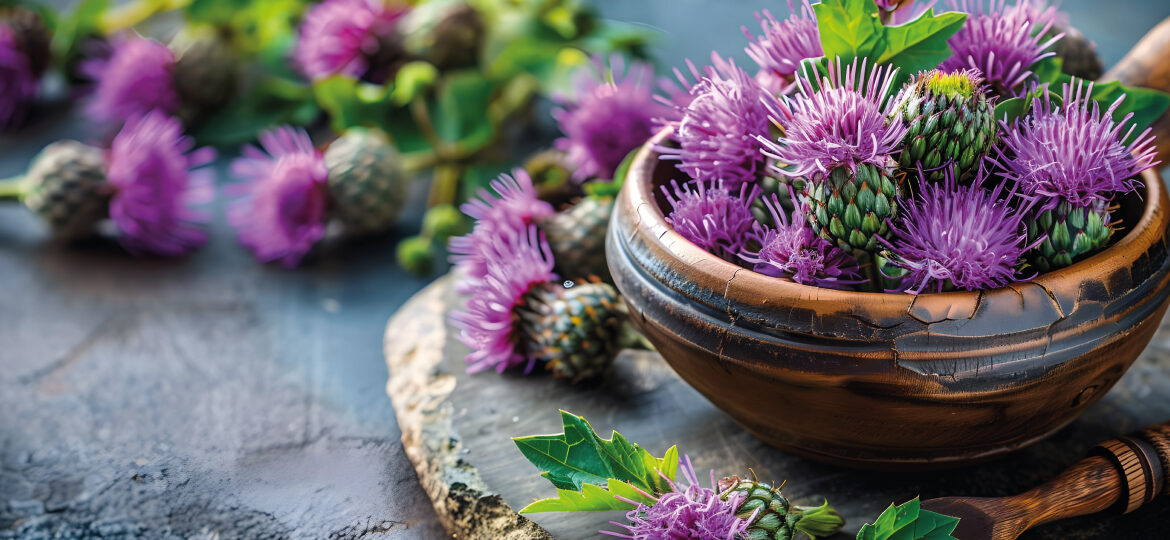
Milk thistle (scientific name Silybum marianum) is a flowering plant native to the Mediterranean region. Its extract is derived from the seeds and contains a group of flavonoids collectively called silymarin, with the most active compound being silibinin.
Silymarin is believed to have antioxidant, anti-inflammatory, and liver-protective properties. These qualities have made milk thistle a popular supplement, especially for people looking to support liver function or reduce oxidative stress. However, while laboratory research and animal studies show promise, results in human clinical trials have been mixed.
Table of Contents
- What Is Milk Thistle Extract?
- How does milk thistle extract work?
- Popular Uses of Milk Thistle Extract
- Clinical Research: What the Studies Actually Show
- Why Do Study Results Vary?
- Safety and Potential Side Effects
- How to Use Milk Thistle Extract?
- Milk Thistle and Specific Health Conditions
- Key Takeaways
- Frequently Asked Questions
- Conclusion
- About Titan Botanics
- References
How does Milk Thistle Extract Work?
- Antioxidant activity: Helps reduce cellular damage from free radicals.
- Anti-inflammatory effects: May calm chronic low-grade inflammation.
- Cell membrane stabilization: May protect liver cell integrity from toxins and metabolic stress.
However, while laboratory research and animal studies show promise, results in human clinical trials have been mixed.
Popular Uses of Milk Thistle Extract
People take milk thistle extract for many reasons. Below are the most common applications backed by research and traditional use.
a. Liver Support
Milk thistle is most often associated with liver health. It is commonly taken by people dealing with alcohol-related liver stress, fatty liver disease, chronic hepatitis, drug-induced liver injury, and general detox support.
Some lab studies and small clinical trials have shown certain liver enzyme improvements or antioxidant effects, while others have not demonstrated strong benefits. The evidence, therefore, should be assessed condition by condition.
b. Antioxidant and Anti-Inflammatory Support
Silymarin’s chemical structure allows it to scavenge free radicals and reduce systemic oxidative stress. Some clinical trials in people with diabetes have found improved antioxidant markers and reduced inflammatory markers such as hs-CRP.
c. Metabolic Health and Diabetes
Some research suggests milk thistle may help improve blood sugar control and lipid profiles in people with type 2 diabetes. Studies have shown decreases in fasting glucose, insulin resistance, and triglycerides, along with increases in good HDL cholesterol.
d. Potential Cancer-Related Support
Preclinical research suggests silymarin might have anti-cancer mechanisms, particularly in gastrointestinal cancers. However, this remains largely early evidence from cell studies and animal models and is not yet established in human clinical settings.
Clinical Research: What the Studies Actually Show
Here is an evidence-based look at milk thistle from clinical trials and published analyses:
Study on Silymarin and Chronic Hepatitis C
A major multicentre trial investigated high-dose silymarin in people with chronic hepatitis C who had already failed interferon therapy.
Result: Higher doses of silymarin did not significantly reduce liver enzymes, specifically ALT, compared with placebo after 24 weeks.
Key Takeaway: While silymarin is safe, it may not significantly improve chronic hepatitis C disease activity in this specific context.
Milk Thistle in Type 2 Diabetes
Some trials have measured antioxidant and metabolic effects in people with type 2 diabetes:
- Antioxidant markers improved: Higher levels of total antioxidant capacity, SOD, and GPX were seen in participants taking silymarin versus placebo.
- Improved glycemic and lipid profiles: Several metabolic markers including blood sugar, triglycerides, insulin, and HDL improved after 45 days of silymarin supplementation.
Takeaway: There is encouraging evidence that silymarin may help certain metabolic aspects in diabetes, but larger, long-term studies are needed before firm conclusions can be drawn.
Broader Meta-Analyses
Systematic analyses of multiple trials suggest that milk thistle extract may help in several areas:
- Decrease fatty liver indices.
- Lower fasting glucose levels.
- Reduce total cholesterol and LDL.
- Improve liver enzymes in some forms of liver disease.
However, results vary significantly across studies due to differences in product quality, doses used, and participant characteristics.
5. Why Do Study Results Vary?
The conflicting findings from clinical research often come down to a few important factors:
a. Variability in Supplement Preparations
Not all milk thistle supplements are standardized. Some products in the market contain little or no measurable silymarin content, which directly affects clinical outcomes. This is why choosing a standardized, verified extract matters greatly.
b. Small Sample Sizes
Many trials include only dozens of participants, which reduces statistical power and makes it difficult to draw definitive conclusions applicable to broader populations.
c. Differences in Conditions Studied
Clinical outcomes vary depending on the specific liver disease being studied, whether it is alcoholic fatty liver, viral hepatitis, or NAFLD. Some conditions may respond better than others to silymarin supplementation.
d. Dosage and Duration Differences
Trials use different doses ranging from 140 mg to several grams and varying treatment durations, making it very difficult to compare results across studies or arrive at a universal recommendation.
Safety and Potential Side Effects
Milk thistle is generally well-tolerated in humans, even at higher doses. Common mild side effects that have been reported include:
- Digestive discomfort
- Bloating or gas
- Headache
Precautions to consider:
- Can interact with certain drugs metabolized by liver enzymes (CYP450 pathways).
- People with hormone-sensitive conditions should exercise caution.
- Always check with a healthcare provider before starting any supplement regimen.
Importantly, there is also clear evidence that milk thistle is unlikely to cause liver injury itself when taken at recommended doses.
How to Use Milk Thistle Extract
Milk thistle is available in several forms:
- Capsules or tablets
- Standardized extracts
- Liquid tinctures
Typical dosing: Many products contain approximately 140 mg taken three times per day, but doses vary widely based on product strength and intended use. Use as directed on the label or as advised by your healthcare provider.
Duration: Benefits, where present, often appear after weeks of consistent daily use. Clinical trials typically range from 6 to 12 weeks or longer.
Important: Quality matters significantly. Choose standardized extracts with verified silymarin content for reliable results.
Milk Thistle and Specific Health Conditions
a. Liver Disease (General)
Milk thistle extract is widely marketed for liver health, but clinical evidence remains mixed and not definitive. Some studies show enzyme improvements while others show no significant benefit. Its use is best considered complementary to medical treatment.
b. Non-Alcoholic Fatty Liver Disease (NAFLD)
Meta-analyses suggest a possible improvement in liver fat and metabolic markers, but this is not yet universally accepted as a standard therapy. More large-scale randomized trials are required.
c. Diabetes and Metabolic Syndrome
Some clinical trials indicate improvements in blood sugar control and inflammation markers. This is a promising area of research but still needs more large-scale, long-term studies before definitive guidance can be offered.
Key Takeaways
- Milk thistle extract (silymarin) carries notable antioxidant and anti-inflammatory properties.
- Evidence for liver support in humans is mixed; results vary by condition and overall study quality.
- Stronger evidence currently exists for antioxidant and metabolic effects, particularly in people with diabetes.
- It is generally safe when taken as directed and at recommended doses.
- More high-quality, long-term human trials are needed for definitive clinical recommendations.
10. Frequently Asked Questions (FAQs)
Q1. What exactly is milk thistle extract?
Milk thistle extract is an herbal supplement made from the seeds of Silybum marianum. It is concentrated in bioactive flavonoids like silymarin and silibinin, which are thought to have antioxidant and liver-protective properties.
Q2. Does milk thistle really help the liver?
Research shows some beneficial effects on liver enzymes and oxidative stress, but results vary by condition. Benefits appear strongest in specific conditions like NAFLD and alcoholic liver stress, and may not apply universally.
Q3. Can milk thistle cure liver disease?
No. Milk thistle cannot cure liver diseases. It may support liver function in some cases and complement conventional treatments, but it does not replace medical care. Always consult a healthcare provider for any liver condition.
Q4. Is milk thistle extract safe for everyone?
Generally, yes. Milk thistle is considered safe at recommended doses. However, it can interact with some medications and is not recommended without medical guidance for people with hormone-sensitive conditions or those taking drugs metabolized by the liver’s CYP450 enzymes.
Q5. How long should I take milk thistle extract?
Most clinical trials run for 6 to 12 weeks, and effects may take time to become noticeable. Long-term use should always be discussed with a healthcare provider based on individual health needs.
Q6. What is the difference between milk thistle extract and silymarin?
Milk thistle extract is a more concentrated product derived from the seeds of Silybum marianum. Silymarin is a specific group of bioactive flavonolignan compounds found within that extract. In standardized supplements, the silymarin content is expressed as a percentage of the total extract.
Q7. What is the best form of milk thistle to take?
Standardized extracts with a verified silymarin content are generally considered the most reliable. Look for supplements that clearly state the percentage of silymarin on the label, as unstandardized products may contain little to no active compound.
Q8. Can milk thistle help with blood sugar control?
Some clinical trials suggest silymarin may help improve fasting blood sugar levels, insulin resistance, and lipid profiles in people with type 2 diabetes. This is one of the more promising areas of current research, though larger confirmatory studies are still needed.
Q9. Who is the manufacturer of milk thistle extract?
Titan Botanics, a division of Titan Biotech Ltd, is a trusted manufacturer and supplier of standardized milk thistle extract. Each batch is quality tested to ensure consistent active compound content. To know more or to source milk thistle extract, visit https://www.titanbotanics.com.
Conclusion
Milk thistle extract is one of the most well-known herbal supplements worldwide, recognized for its antioxidant and liver-supporting potential. While science supports some benefits, especially for metabolic health and antioxidant status, evidence for major liver disease improvement remains mixed.
The quality of the supplement chosen and individual health conditions play a significant role in outcomes. If you are considering milk thistle extract, look for standardized formulations with verified silymarin content and speak with a healthcare professional, especially if you have underlying health issues or are currently taking medications.
About Titan Botanics
Titan Botanics is a dedicated botanical extract division operating under Titan Biotech Ltd, a well-established life sciences company with decades of experience in fermentation-based and plant-derived ingredients.
At Titan Botanics, we specialize in the research, development, and supply of high-quality standardized plant extracts for nutraceutical, pharmaceutical, and functional food applications. Our extracts are manufactured under rigorous quality standards, with each batch verified for active compound content to ensure consistency and efficacy.
References:
https://humanclinicals.org/project/milk-thistle-silybum-marianum-extract
https://pubmed.ncbi.nlm.nih.gov/34399200/
https://pubmed.ncbi.nlm.nih.gov/22797645/
https://www.msdmanuals.com/professional/special-subjects/dietary-supplements/milk-thistle